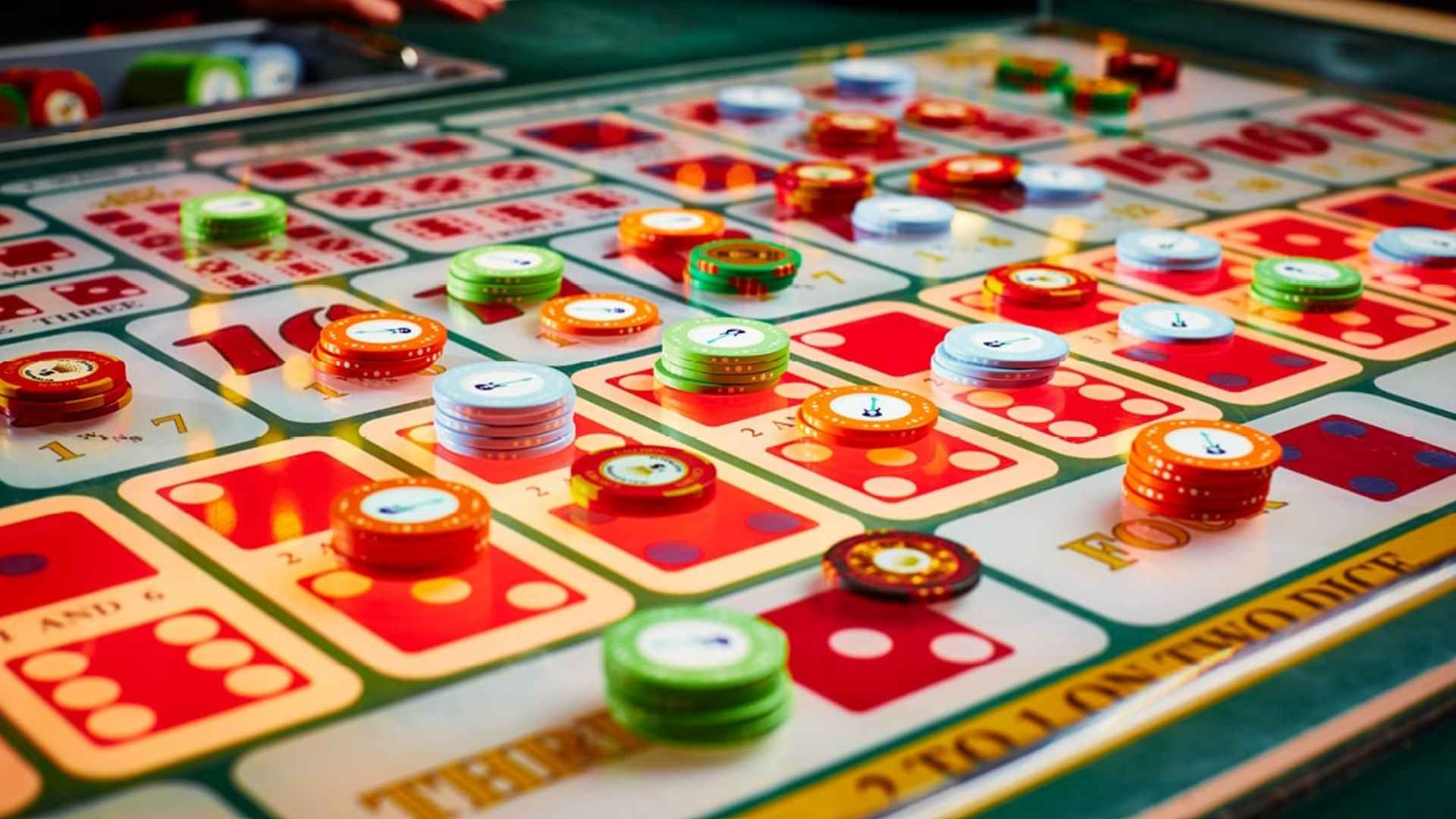
Modern gaming thrives on moments that surprise players and break up predictable routines. While standard progression systems provide clear goals, unexpected bonuses introduce an element of delight that reshapes how users perceive their time spent in a game. By dropping rewards when they are least expected, developers create memorable highlights that stay with players long after a session ends.
The Psychology of Unplanned Rewards
Surprise incentives trigger a distinct psychological response compared to routine achievements. When a reward arrives unexpectedly, dopamine levels spike, creating a stronger sense of excitement and satisfaction. This emotional high reinforces positive feelings toward the game, making the experience feel genuinely rewarding rather than purely transactional.
Furthermore, these sudden perks help reduce fatigue during repetitive tasks or long sessions. Knowing that an extra surprise could occur at any moment keeps focus sharp and curiosity high. This dynamic transforms routine gameplay into a series of potentially thrilling discoveries.
Elevating Emotional Engagement and Replay Value
Unexpected bonuses often turn ordinary achievements into standout personal stories. Players frequently share encounters with rare drops or sudden windfalls with friends, building a community narrative around shared excitement. These spontaneous occurrences foster a deeper emotional bond between the user and the digital environment.
Moreover, unpredictable incentives significantly increase overall replay value. When players know that outcomes are not entirely static, they are more inclined to revisit familiar levels or modes. Exploring dynamic gaming environments through platforms like slot boss highlights how surprise mechanics keep long-term engagement vibrant and fresh.
Balancing Surprise with Game Equity
Integrating unplanned incentives requires careful calibration by game designers to prevent systemic imbalance. If surprise perks are too powerful, they risk undermining the value of earned achievements and frustrating dedicated players. Designers must ensure that unexpected rewards supplement, rather than replace, core skill-based progression.
A well-balanced system uses randomness to enhance fun while preserving overall fairness. When implemented thoughtfully, unexpected perks feel like welcome gifts rather than unfair advantages. This delicate equilibrium maintains competitive integrity while maximizing player enjoyment.
Future Trends in Dynamic Reward Delivery
As gaming technology advances, dynamic systems are becoming smarter and more tailored to individual behavior. Future reward mechanisms may analyze play styles in real time to deliver unexpected perks precisely when motivation begins to dip. This level of responsiveness ensures that surprises feel meaningful and personally relevant.
Ultimately, unexpected bonuses will continue to serve as a vital tool for game creators. By blending psychological insights with adaptive design, developers can craft rich experiences that keep players engaged, curious, and eager for their next session.