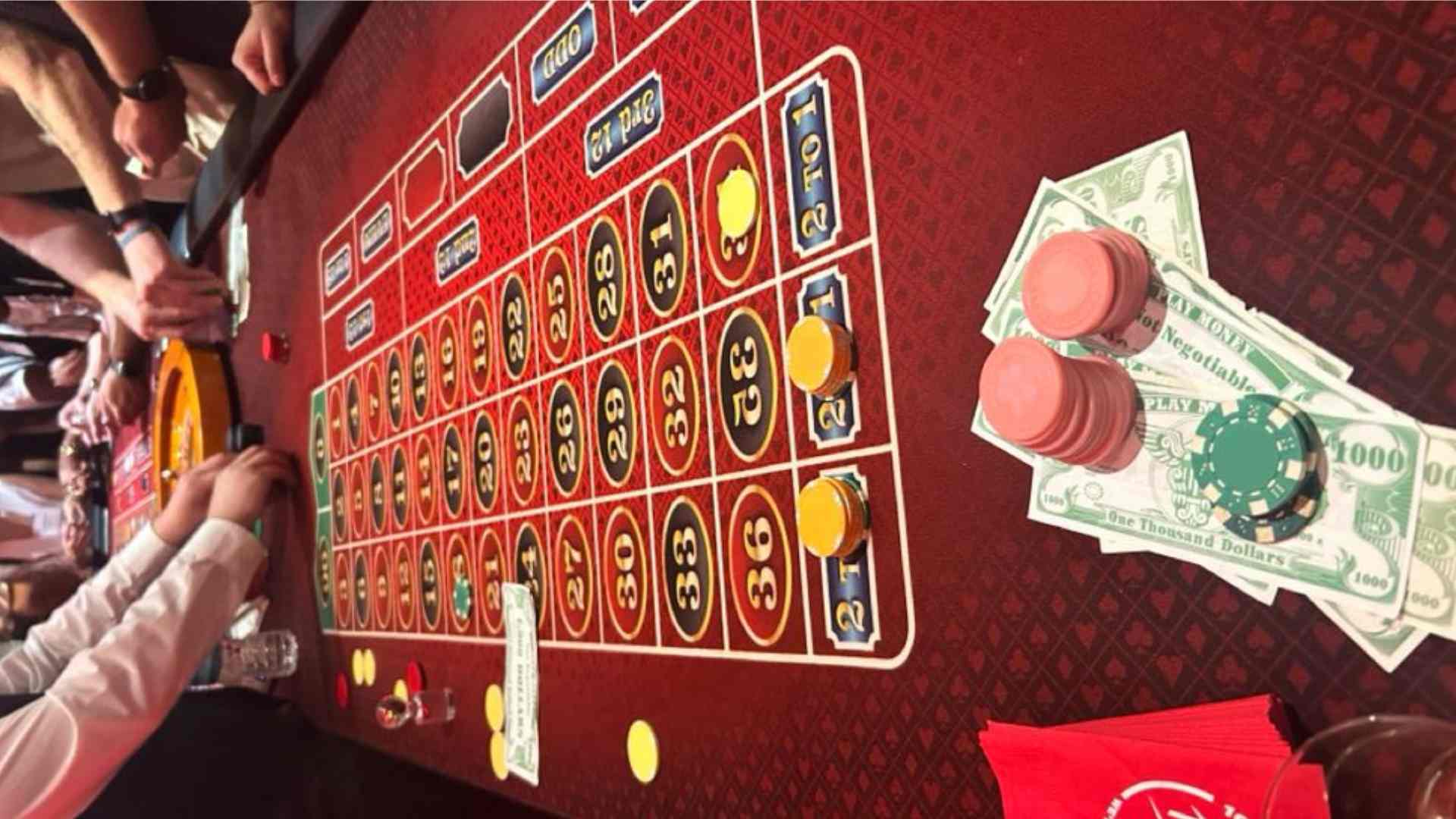
Navigating the legal landscape of digital gaming in Maryland requires a clear understanding of state legislation and active statutes. While the state has expanded opportunities for sports wagering, traditional online casino gaming remains strictly unauthorized for real-money play. Understanding these boundaries helps residents stay compliant while exploring available entertainment options within the state.
Current Status of Real-Money Online Gambling in Maryland
Maryland law strictly prohibits commercial platforms from operating real-money online casino games like slots, roulette, and digital blackjack. State regulators oversee land-based casinos and sports betting, but internet gaming licenses have not been enacted into law. As a result, commercial iGaming apps remain unavailable for local players seeking real-cash stakes.
Legislative efforts to legalize internet casinos have repeatedly stalled during general assembly sessions, delaying prospective expansion. Any major gambling expansion in the state requires both legislative passage and approval via a statewide voter referendum. Until voters grant explicit approval, commercial online casino operators cannot legally offer services within state borders.
Legal Gambling Alternatives Available for Maryland Residents
Although traditional online casinos are restricted, residents still have access to several authorized gaming activities. Land-based commercial casinos offer full-scale table games and slot machines in physical venues across the state. Furthermore, mobile sports betting and daily fantasy sports are fully licensed and regulated by state authorities.
For internet-based casino games, social and sweepstakes gaming platforms serve as popular alternative options. These digital platforms utilize promotional token systems rather than direct cash deposits, operating under distinct federal promotional framework guidelines. Players interested in global gaming platforms like m88 often research regional legal differences to ensure they follow local gaming regulations properly.
The Role of Regulatory Oversight and Enforcement
The Maryland Lottery and Gaming Control Agency is tasked with enforcing state gambling laws and maintaining market oversight. The agency routinely issues cease-and-desist warnings to unauthorized offshore gambling operators targeting local residents. These measures help shield consumers from unregulated platforms that lack consumer protections or state accountability.
Regulated gaming options in Maryland are held to strict standards regarding player age limits and identity verification protocols. Anyone participating in authorized commercial gambling or sports betting must be at least 21 years old. Furthermore, state-approved platforms are obligated to provide accessible responsible gambling tools and self-exclusion programs for players.
Future Outlook for Maryland iGaming Legislation
The conversation surrounding online casino legalization remains an ongoing topic among Maryland lawmakers. Supporters highlight potential tax revenues and economic benefits, pointing to successful implementation in neighboring jurisdictions like Pennsylvania and West Virginia. However, concerns regarding brick-and-mortar casino impact continue to temper rapid legislative momentum.
Future legalization efforts will depend on building legislative consensus and securing voter support in upcoming general elections. Until comprehensive legislation passes, residents must rely on physical venues, legal sportsbooks, and social gaming alternatives. Monitoring legislative updates ensures players stay informed as regulatory discussions progress.