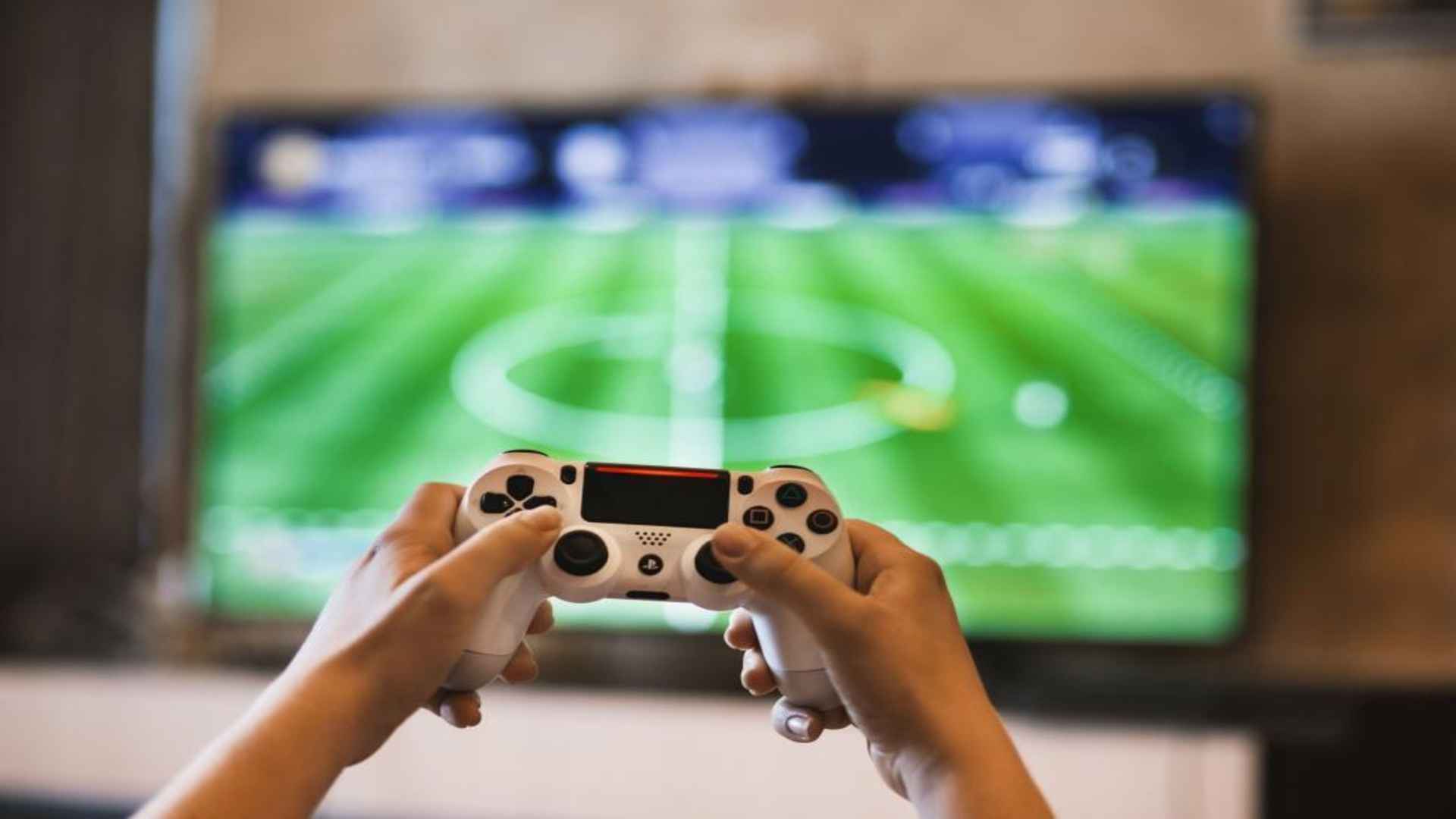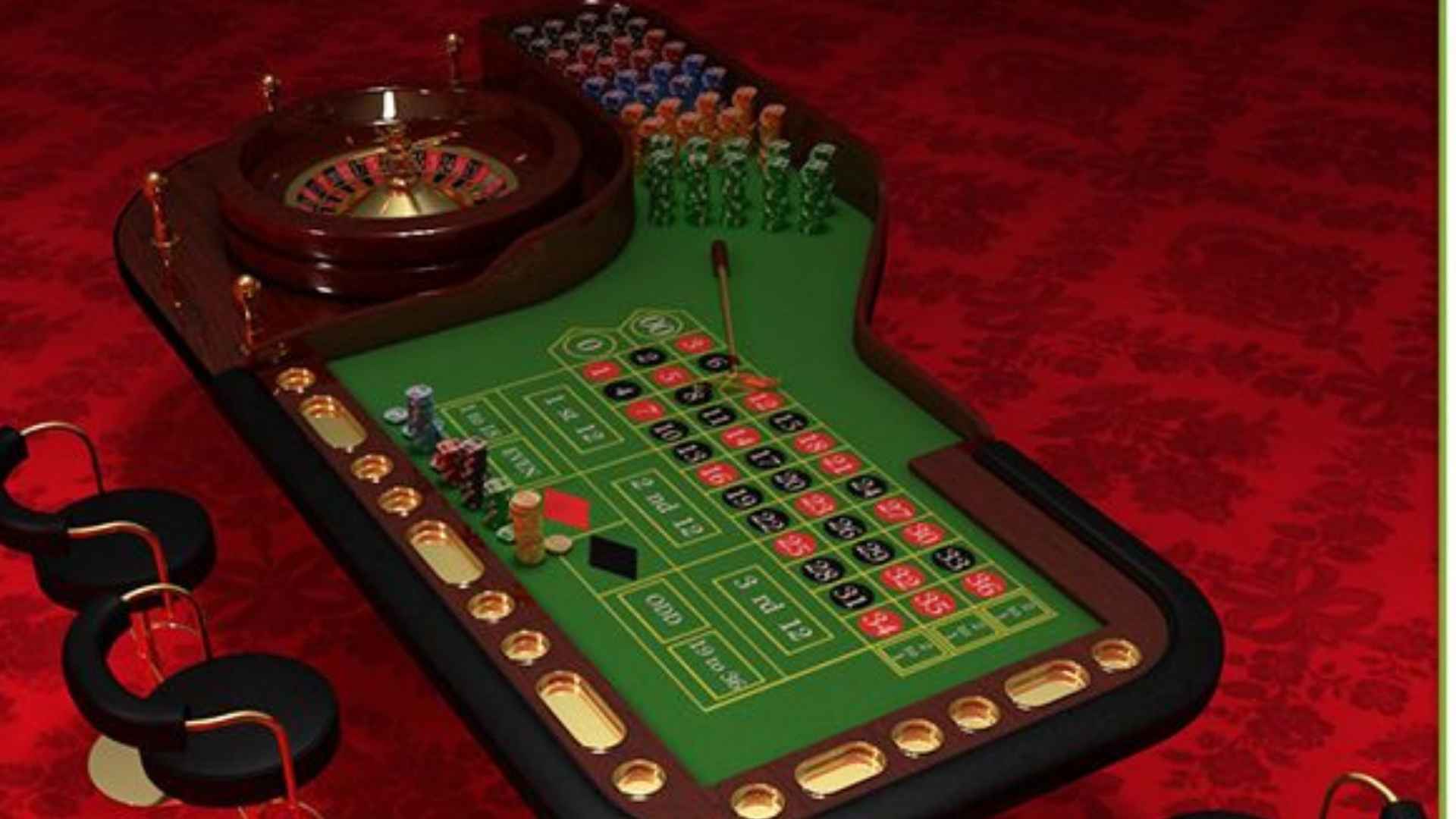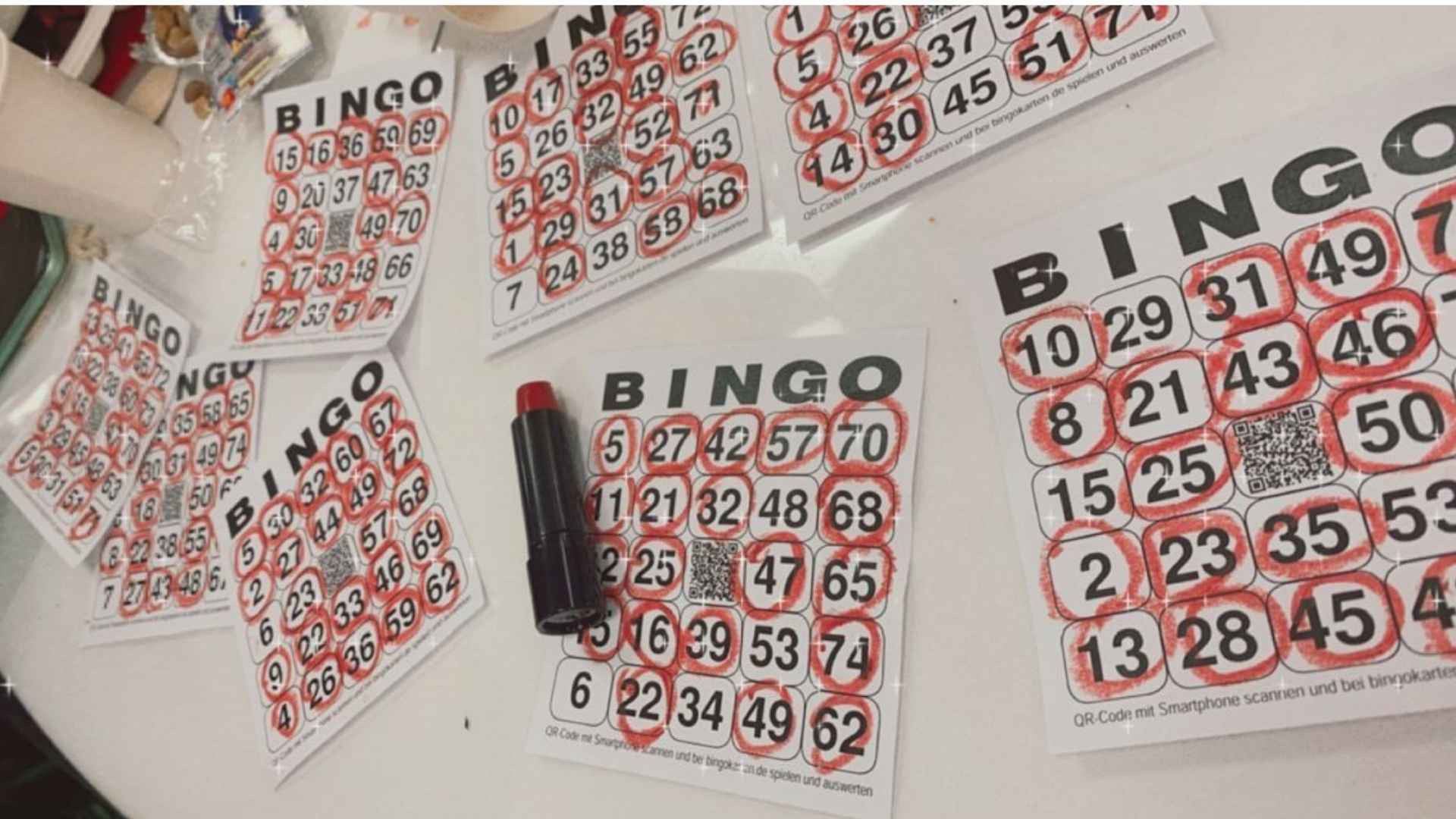
Table games have transcended simple entertainment to become highly effective tools for personal development and cognitive enhancement. Engaging with these games forces players to step away from passive screens and actively challenge their mental faculties. Whether gathering around a traditional board or participating in digital simulations, players can systematically cultivate practical skills that translate directly into real-world success.
Sharpening Strategic and Critical Thinking
Every decision made during a strategic table game requires a careful analysis of risks, opportunities, and potential outcomes. Players must anticipate their opponents' future moves while constantly adapting their own long-term plans to match an evolving board state. This continuous loop of planning and adjustment exercises the prefrontal cortex, which is responsible for complex cognitive behavior and goal management.
Over time, this regular mental workout builds a disciplined mindset that values deliberate planning over impulsive choices. Individuals learn to break down large, complex challenges into manageable steps, a method highly valued in professional environments. Cultivating these analytical skills helps people approach everyday problem-solving with increased structure and confidence.
Improving Real-World Decision Making
Making smart decisions under pressure is a vital life skill that table games are uniquely suited to teach. Many games present players with imperfect information, forcing them to calculate probabilities and weigh risk versus reward in real time. This dynamic mirrors the unpredictable nature of career and financial decisions where outcomes are rarely guaranteed.
Practicing these choices in a low-stakes gaming environment allows individuals to experience the consequences of their strategies without real-world repercussions. For players looking to sharpen their tactical skills on reliable platforms, finding a trusted m88 alternatif can offer valuable practice. This regular application of probability and tactical adjustment helps players overcome analysis paralysis and make quicker, more calculated choices.
Fostering Emotional Resilience and Social Bonds
Beyond cognitive growth, table games provide a unique arena for social interaction and emotional regulation. Managing the frustration of a sudden loss or the excitement of a hard-earned victory helps players build emotional intelligence. Learning to remain calm and focused during stressful game moments translates to better stress management in daily life.
Furthermore, these activities foster essential communication and cooperative skills as players negotiate, collaborate, or engage in friendly competition. Sharing physical or virtual spaces promotes empathy as participants learn to read body language and understand different perspectives. Ultimately, table games serve as a powerful medium for building strong social networks and improving collective teamwork.