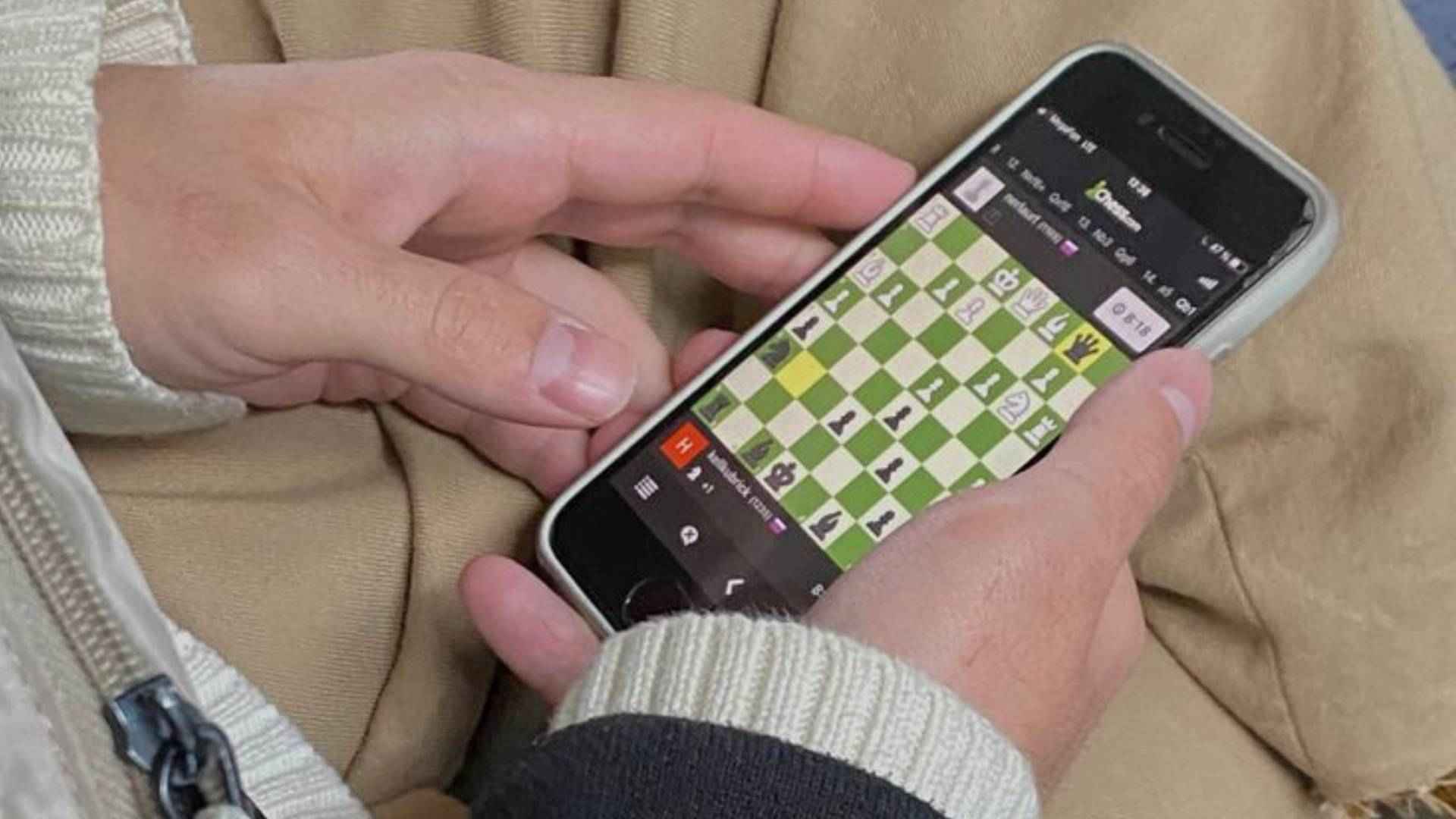
While many people view casual card games as a simple way to pass the time, treating them as intentional cognitive exercises can completely transform your routine. Transforming classic card puzzles into a regular workout helps sharpen decision-making skills and improves overall focus throughout the day. By approaching each deal with focus and strategy, players can turn a familiar pastime into an engaging daily mental challenge.
Building Focus Through Structured Card Analysis
Approaching a fresh card deal with a clear plan encourages the brain to process complex visual information systematically. Instead of making immediate, impulse moves, taking a few moments to scan the tableau helps improve spatial awareness and analytical thinking. This disciplined approach builds strong habits that naturally translate into better focus during routine work tasks.
Evaluating potential moves before touching any card requires active working memory and sustained concentration. Players must weigh short-term gains against long-term board outcomes to avoid creating unnecessary blockages. Over time, this deliberate practice helps condition the mind to remain patient and analytical under everyday stress.
Enhancing Working Memory and Pattern Recognition
Remembering hidden card positions and tracking suit sequences directly exercises core memory functions. As players calculate potential card transfers, they store complex paths in their memory to predict upcoming options. This continuous mental tracking keeps cognitive faculties active and nimble.
Recognizing recurring board patterns also speeds up problem-solving capabilities without sacrificing decision accuracy. Gamers exploring digital platforms or seeking a reliable m88 alternatif often notice how consistent pattern analysis improves overall strategic confidence across various online games. Developing this keen visual memory makes complex daily choices feel far more manageable.
Developing Risk Assessment and Decision-Making Skills
Every card transfer involves a subtle balance between immediate rewards and future board availability. Choosing when to clear a column or draw from the stockpile forces players to calculate potential risks in real time. This constant evaluation helps refine practical logic and critical thinking abilities.
Learning to accept unplayable deals without frustration builds emotional resilience alongside logical reasoning. Understanding that not every game can be won encourages players to focus on making optimal choices rather than focusing solely on outcomes. This mindset fosters a healthy, constructive attitude toward daily personal and professional challenges.
Establishing an Effective Daily Cognitive Routine
Setting aside a dedicated ten to fifteen minutes each morning for strategic card play creates a healthy transition into a productive mindset. This brief mental warmup stimulates brain activity without causing cognitive fatigue before work begins. It provides a peaceful yet active start to the day that sharpens mental clarity.
Consistency is key when using light gaming activities to support long-term brain health and agility. Incorporating structured card puzzles into your daily schedule creates a simple, enjoyable habit that pays off in improved attention span. Over time, treating card games as a daily workout keeps your mind sharp and ready for any challenge.